Navigating the complexities of disability benefits can be daunting, especially when dealing with a condition like neuropathy. Did you know that neuropathy could potentially qualify as a disability, according to the Social Security Administration? In this article, we’ll break down everything you need to know about neuropathy as a disabling condition, providing valuable insights on eligibility criteria and application processes.
Neuropathy can be considered a disability according to the Social Security Administration (SSA) criteria for disability benefits.
To qualify for disability benefits, neuropathy patients must meet specific criteria set by the SSA, including being diagnosed with peripheral or diabetic neuropathy and experiencing limitations in work and medical functioning.
Diagnostic and treatment evidence are essential when applying for disability benefits for neuropathy. This includes providing test results, medical records, prescribed medicines, and documentation of appointments and therapies related to managing symptoms.
When applying for disability benefits for neuropathy, it is essential to gather the necessary documentation, highlight the limitations and impact of neuropathy on daily life, and consider working with a disability lawyer who can guide the process.
Dr. Evan Norum, Co-founder of Advantage Chiropractic in New Berlin, WI:
“Neuropathy is more than just a medical condition; it’s a life-altering challenge that many of our patients face daily. Recognizing it as a disability is crucial for providing the necessary support and understanding to those affected.”
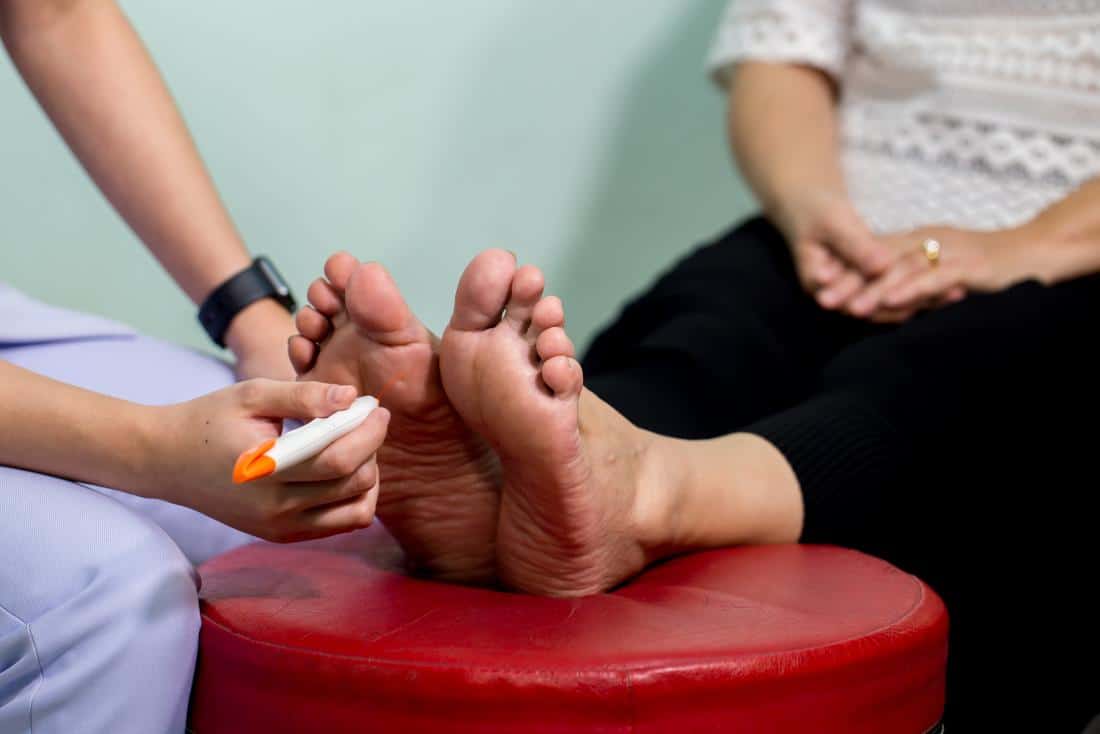
Neuropathy can be considered a disability based on the Social Security Administration (SSA) criteria for disability benefits.
Neuropathy patients seeking Social Security Administration (SSA) disability benefits must meet specific criteria. Here’s what SSA considers:
Dr. Zach Bruley, Co-founder of Advantage Chiropractic in New Berlin, WI:
“The physical manifestations of neuropathy are evident, but the emotional and psychological toll it takes on individuals is often overlooked. Understanding the full scope of its impact is essential when considering disability benefits.”
Neuropathy is a term used for nerve damage that can result in various debilitating symptoms. The Social Security Administration recognizes conditions like diabetic and peripheral neuropathy as severe enough to prevent individuals from holding gainful employment.
If your condition lasts or expects to last at least 12 months, you may qualify for SSDI benefits. Some key factors in deciding if neuropathy qualifies as a disabling condition include its severity and an inability to perform work duties due to chronic pain and other symptoms.
A significant measure considered is whether your neuropathy limits your ability to carry out essential work-related functions such as lifting, standing, walking, or sitting. As per SSA guidelines, anyone suffering these limitations could be eligible for disability benefits based on their specific case of Neuropathy.

To support a disability claim for neuropathy, individuals need to provide diagnostic evidence, such as test results and medical records, as well as treatment evidence that shows the severity of their symptoms and the impact on their daily life.
Diagnostic evidence plays a pivotal role in verifying the presence and extent of neuropathy. Healthcare providers often use nerve conduction studies, electromyography (EMG), and neurological examinations to detect motor nerve damage, a common manifestation of peripheral neuropathy.
These tests provide tangible proof of the condition’s impact on your daily life. In cases of diabetic neuropathy, a disability score is frequently used to measure severity. This quantitative data can aid in establishing you have a qualifying condition for Social Security disability benefits.
However, providing substantial diagnostic evidence is crucial since there’s a possibility of faking neuropathy symptoms. So, compiling this concrete diagnostic evidence significantly bolsters your claim to make it more convincing and robust.
Dr. Taylor Moore, Chiropractor:
“In our practice, we’ve seen firsthand how neuropathy can severely limit an individual’s ability to perform basic tasks. The importance of comprehensive diagnostic evidence cannot be overstated when applying for disability benefits.”
When applying for disability benefits for neuropathy, it is important to gather the necessary documentation, highlight the limitations and impact of neuropathy, and consider working with a disability lawyer.
To successfully apply for disability benefits for neuropathy, it is important to gather the necessary documentation. This includes:
Dr. Taylor Moore, Chiropractor:
“Neuropathy doesn’t just affect the nerves; it affects lives. When applying for disability benefits, it’s vital to paint a complete picture, showcasing the condition’s medical and personal impacts.”
Neuropathy can have significant limitations and effects on daily life. Nerve damage caused by neuropathy can result in limited mobility, impaired sensation, and chronic pain. Motor dysfunction is also common, making simple tasks more challenging.
The inability to work due to these limitations is critical in determining eligibility for Social Security disability benefits. It’s important to highlight how neuropathy affects your ability to function and carry out everyday activities when applying for disability benefits.
Seeking a comprehensive evaluation from medical professionals familiar with neuropathy can provide the necessary evidence to support your claim.
A disability lawyer can be a valuable resource when applying for disability benefits with neuropathy. They have expertise in navigating the complex process and understanding the specific requirements for qualifying for these benefits.
With their assistance, individuals can gather the necessary documentation and present a solid case to support their claim. Disability lawyers, like Bross & Frankel, can provide legal representation and guidance throughout the application process, ensuring that neuropathy patients have the best chance of successfully receiving the disability benefits they deserve.
In conclusion, neuropathy can indeed be considered a disability. The Social Security Administration recognizes peripheral neuropathy as a disabling condition if it prevents individuals from being able to work. If approved, a disability recipient can receive $900-$3,600 a month if the SSA approves your claim.
The severity of symptoms and the impact on an individual’s ability to work are crucial in determining eligibility for disability benefits.
Yes, neuropathy can potentially qualify as a disability if it significantly impacts an individual’s ability to perform daily activities or work tasks.
The symptoms of neuropathy that may contribute to disability include numbness, tingling, pain, muscle weakness, and difficulties with coordination and balance.
The determination of whether neuropathy qualifies as a disability is typically made by medical professionals and government agencies based on its impact on the individual’s functioning and ability to engage in substantial gainful activity.
Yes, accommodations such as assistive devices, modified work schedules, ergonomic adjustments, and workplace modifications may help individuals with neuropathy accommodate their disabilities and continue working.
Individuals with significant impairments caused by neuropathy may be eligible for financial support or benefits through programs such as Social Security Disability Insurance (SSDI) or Supplemental Security Income (SSI).

Dr. Evan Norum, co-owner of Advantage Chiropractic in New Berlin, WI, holds a Doctorate of Chiropractic from Northwestern Health Sciences University. Inspired by personal experiences with chiropractic care, he specializes in family-based treatments and is board-certified in chiropractic care, neuropathy, and the Torque Release Technique®. With internships at leading chiropractic centers and co-founding Advantage Chiropractic in 2017, Dr. Evan Norum is dedicated to promoting health from within.

11525 Cantrell Rd. Ste 301,
Little Rock, AR 72212
Experience long lasting relief with chiropractic care. Our innovative method called the Torque Release Technique is gentle and non-invasive. We naturally heal our patients from the inside out and fix the root causes of your chronic conditions at our Little Rock, AR chiropractic clinic.
Resources
Hours
Monday:
8:30AM – 12:30PM
2:30PM – 5:30PM
Tuesday:
8:30AM – 12:30PM
2:30PM – 5:30PM
Wednesday:
8:30AM – 12:30PM
2:30PM – 5:30PM
Thursday:
8:30AM – 12:30PM
2:30PM – 5:30PM
Friday - Sunday
CLOSED
© All rights reserved 2023 | Core Chiropractic | Core Neuropathy